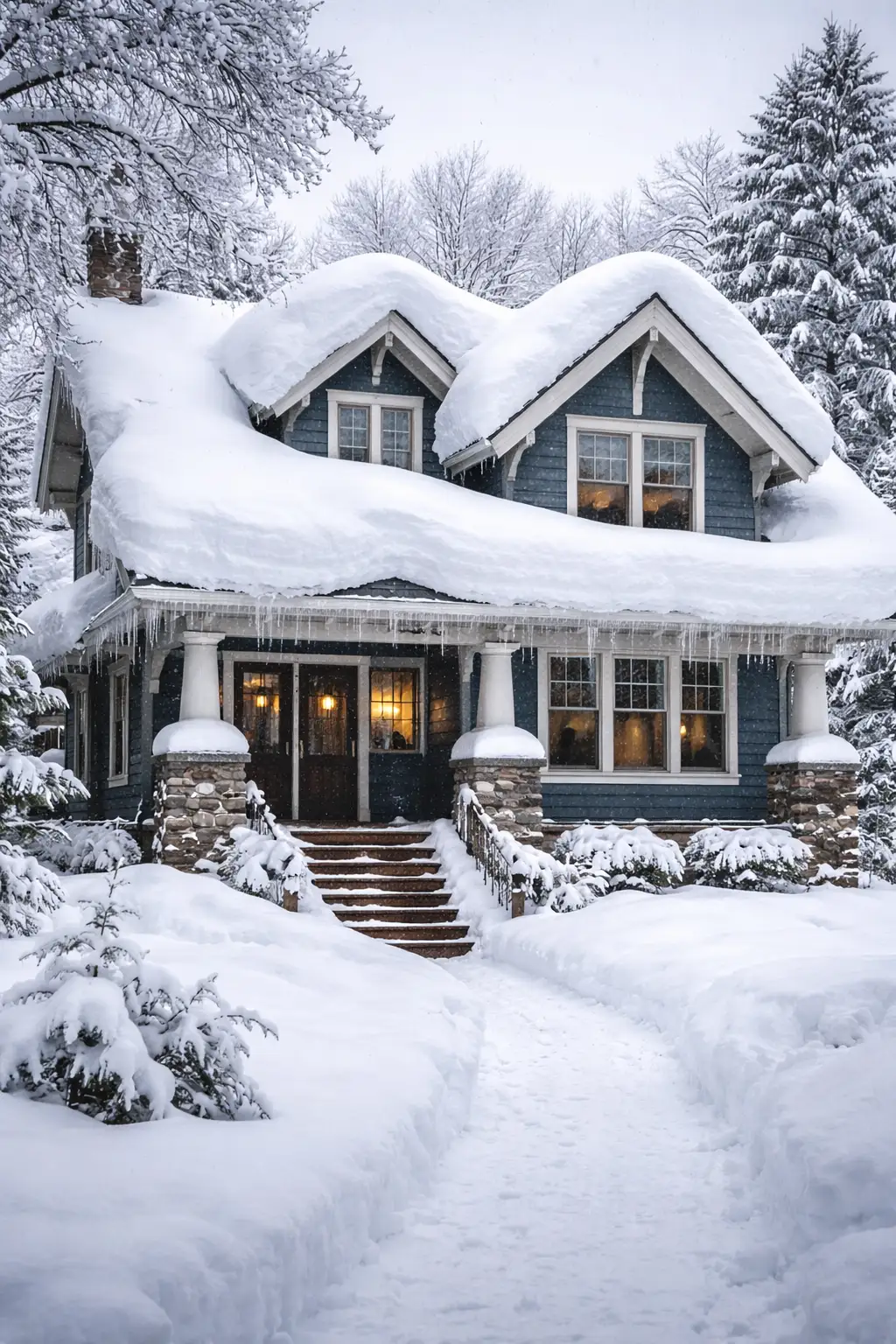
Understanding Snow Loads: A Minnesota Roofing Guide
In Minnesota, protecting homes and commercial buildings from winter’s weight isn’t just good sense, it’s a critical part of responsible roof design, construction, and repair. The weight of snow and ice pressing down on a roof is called the snow load, and understanding how it’s calculated, how it affects different roof types, and what the building code expects can mean the difference between a roof that performs season after season and one that suffers damage (or worse).
At Minnesota Metal Exteriors, we help our customers understand how snow loads influence roofing decisions, especially in the Twin Cities area and throughout Minnesota where winter conditions can be intense. This guide breaks the topic down into practical, technical detail, so you can make smarter decisions about roof construction, replacement, repairs, and winter planning.
What Is a Snow Load and Why It Matters
A snow load is the downward force exerted on a roof by accumulated snow and ice. Snow load is typically expressed in pounds per square foot (psf), meaning how many pounds each square foot of roof must safely support without excessive deflection (sagging), damage, or structural failure. Flat and low-slope commercial roofs are often at higher risk because snow tends to sit and drift rather than slide off.
Snow load matters in Minnesota because our winters can deliver a mix of dry snow, wet heavy snow, and ice. Those aren’t equal. Light powder can be relatively low weight, while wet snow and ice can add dramatic weight quickly. That’s also why “it doesn’t look that deep” isn’t a reliable way to judge risk.
How Minnesota Determines Roof Snow Loads
Minnesota doesn’t use one single “snow load number” statewide. Instead, design values start with the ground snow load for a given region and then convert to a roof snow load based on code formulas. The Minnesota Department of Labor and Industry (DLI) publishes a snow load map and guidance tied to the Minnesota State Building Code. Ground snow load is essentially the expected weight per square foot of snow on the ground for that area, based on long-term weather data and code requirements.
From there, a common simplified approach (for many typical roof conditions) is using a factor often shown as 0.7 × ground snow load to estimate a corresponding roof design snow load. For example, if an area uses a 50 psf ground snow load, a simplified roof design value may land around 35 psf under typical assumptions. In parts of northern Minnesota where ground snow loads are higher, the corresponding roof design snow loads rise as well.
Important note: real roof design snow load can be more nuanced than the simplified conversion. Building code design can include additional factors (roof exposure, thermal conditions, importance category, roof slope, drifting, etc.), which is why engineers and qualified contractors take roof shape and site conditions seriously rather than relying on a single generic number.
Key Roof Factors That Influence Snow Load Risk
1) Roof Pitch (Slope)
Roof pitch has a big influence on how snow behaves. Steeper roofs shed snow more easily, reducing accumulation. Flatter roofs tend to retain snow, which can accumulate over time and create higher loads, especially after multiple storms or periods of drifting.
2) Roof Shape, Valleys, and Transitions
Snow doesn’t load every square foot of a roof evenly. Valleys, dormers, parapets, step-down rooflines, and mechanical units can cause drifting, where wind piles snow into deeper, heavier zones. These “drift areas” are often where problems begin because localized load can exceed what the structure was designed to handle.
3) Roofing Material and Snow Shedding
Roof materials influence how readily snow slides. Metal roofing often sheds snow more easily than asphalt shingles (depending on pitch, temperature, and surface conditions). Asphalt roofing may hold snow longer, which isn’t automatically “bad,” but it can increase the duration of load and contribute to ice dam conditions when heat loss and refreeze cycles are present.
4) Snow Type, Density, and Ice
Not all snow is created equal. Wet snow and ice are significantly heavier than dry powder. When snow partially melts and refreezes, it can create dense layers and ice build-up that add weight and can cause water intrusion. Ice dams are a related (and common) Minnesota roof issue because they can trap melting water and force it back under shingles and flashing.
Why Professional Roof Design, Repair, and Inspection Matters
Accurately understanding snow loads isn’t just about reading a map or memorizing a number. It’s about evaluating how snow interacts with your specific roof. As a roofing contractor, we look at practical real-world factors that influence performance and risk, including:
- Roof age and structural condition
- Pitch, shape, valleys, and drift-prone areas
- Flashing details around penetrations and transitions
- Evidence of past leaks, sagging, or ice dam patterns
- Ventilation and attic insulation that affect melt/refreeze cycles
Minnesota building code design values are meant to protect safety, but older homes, remodeled rooflines, and flat commercial roofs can have unique issues. If you’re seeing repeat ice damming, chronic leaks after snow events, or visible deflection, the right next step is a professional evaluation.
Warning Signs Homeowners and Property Managers Should Watch For
Even well-designed roofs can show stress signals under unusual conditions. After major snow events, watch for:
- Sagging rooflines or ceilings
- New cracks around drywall corners, doors, or windows
- Leaks during melt cycles (especially near exterior walls)
- Unusual creaking, popping, or shifting noises
- Large, uneven drifts on one roof section
If you notice any of these, it’s smart to have a qualified roofing contractor assess the roof system. Early intervention can prevent a small issue from becoming a major structural or interior damage event.
Snow Load Planning Is a Year-Round Roofing Strategy
Snow load resilience isn’t something you think about only in February. Smart planning starts long before winter and includes:
- Choosing roofing systems and details that shed water properly during melt cycles
- Ensuring attic insulation and ventilation are balanced to reduce ice dams
- Maintaining flashing and roof penetrations to prevent leak pathways
- Scheduling roof inspections before winter and after major storms
- Creating a plan for safe, professional roof snow removal when needed
At Minnesota Metal Exteriors, we build and repair roofs with Minnesota winters in mind. Whether it’s asphalt roofing, metal roofing, flashing corrections, ventilation improvements, or winter-season service support, we help you protect your home or building from the real forces winter brings.
Sources
- Minnesota Department of Labor and Industry (DLI) snow load map (ground snow load guidance):
https://www.dli.mn.gov/sites/default/files/pdf/bc_map_snowload.pdf - University of Minnesota Extension (snow loads on buildings overview and context):
https://blog-swine.extension.umn.edu/2019/03/snow-loads-on-buildings.html - ICC Digital Codes (Minnesota Residential Code section on roof loads; see R301 / snow load provisions as adopted):
https://codes.iccsafe.org/ - Structure Tech Home Inspections (practical explanation of roof snow weight and load concepts for homeowners):
https://structuretech.com/roof-snow-weight/ - All Star Construction (discussion of snow loading concerns on flat/low-slope roofs; helpful for drift/accumulation context):
https://www.allstartoday.com/snow-loading-on-flat-and-low-slope-roofs/